%2Ffit-in%2F250x250%2Fguide_websites%2F59241%2Fimages%2F1767671630912gemini_generated_image_r71n21r71n21r71n-removebg-preview.png&w=1920&q=100)
/users/19335567-ae47-4441-ba5b-aff9c8562b6c/ratecard/609190445_122107149081170083_7913278522898491966_n-mk1vl312.jpg)
%2F300x300%2Fusers%2F19335567-ae47-4441-ba5b-aff9c8562b6c%2Fratecard%2F609190445_122107149081170083_7913278522898491966_n-mk1vl312.jpg&w=256&q=75)
%2F300x300%2Fusers%2F19335567-ae47-4441-ba5b-aff9c8562b6c%2Fimages%2Fkey-west-atlantic-sharpnose-shark-2437.jpg&w=256&q=75)
%2F300x300%2Fusers%2F19335567-ae47-4441-ba5b-aff9c8562b6c%2Fimages%2Fmutton-snapper-key-west-2577.jpg&w=256&q=75)
%2F300x300%2Fusers%2F19335567-ae47-4441-ba5b-aff9c8562b6c%2Fimages%2Fred-grouper-catch-florida-2689.jpg&w=256&q=75)
%2F300x300%2Fusers%2F19335567-ae47-4441-ba5b-aff9c8562b6c%2Fimages%2Fbonnethead-shark-key-west-fishing-2673.jpg&w=256&q=75)
%2F300x300%2Fusers%2F19335567-ae47-4441-ba5b-aff9c8562b6c%2Fimages%2Fmutton-snapper-fl-fishing-2812.jpg&w=256&q=75)
%2F300x300%2Fusers%2F19335567-ae47-4441-ba5b-aff9c8562b6c%2Fimages%2Fgrey-snapper-key-west-fishing-2879.jpg&w=256&q=75)
%2F300x300%2Fusers%2F19335567-ae47-4441-ba5b-aff9c8562b6c%2Fimages%2Fport-jackson-shark-fl-2831.jpg&w=256&q=75)
%2F300x300%2Fusers%2F19335567-ae47-4441-ba5b-aff9c8562b6c%2Fimages%2Ffishing-adventure-florida-2914.jpg&w=256&q=75)
%2F300x300%2Fusers%2F19335567-ae47-4441-ba5b-aff9c8562b6c%2Fimages%2Ffishing-fun-florida-2716.jpg&w=256&q=75)
%2F300x300%2Fusers%2F19335567-ae47-4441-ba5b-aff9c8562b6c%2Fimages%2Fkey-west-fishing-getaway-2843.jpg&w=256&q=75)
Shared Key West Inshore Charter Rampage Magic
 Key West, FL
What you will be catching:
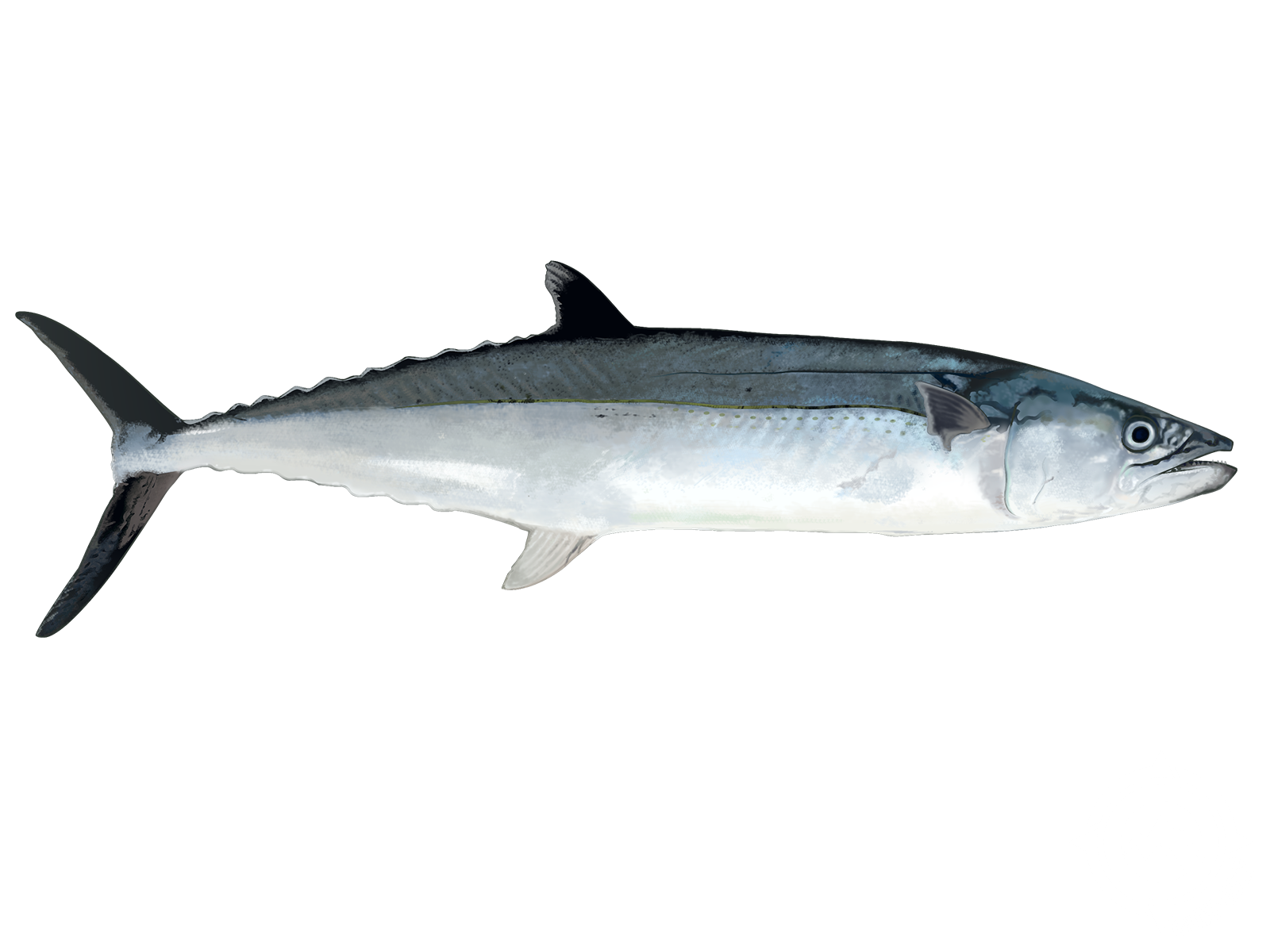 Cero Mackerel
 Great Barracuda
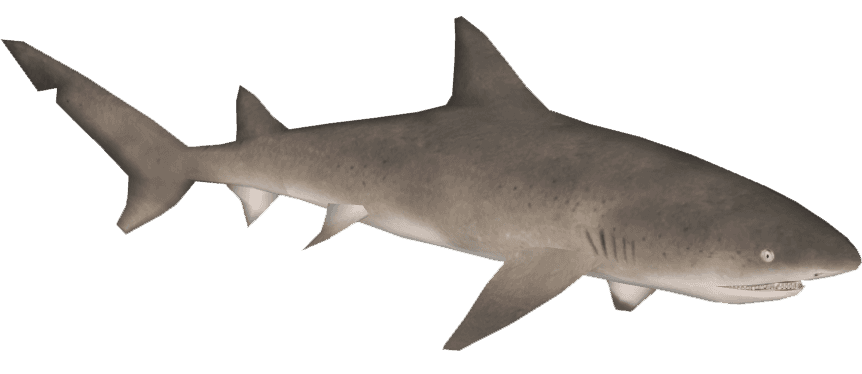
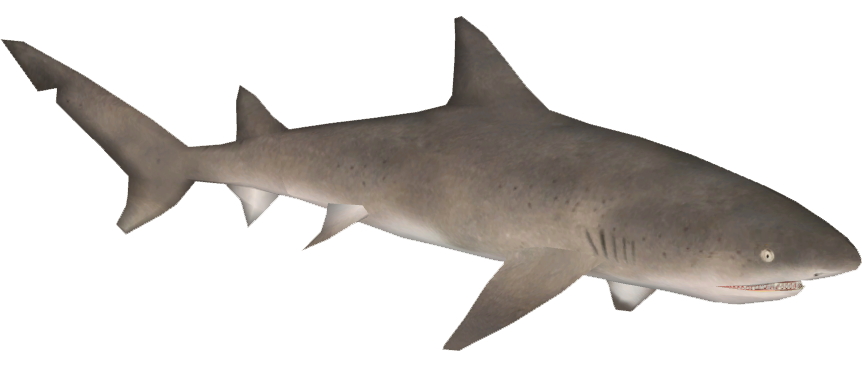 Lemon Shark
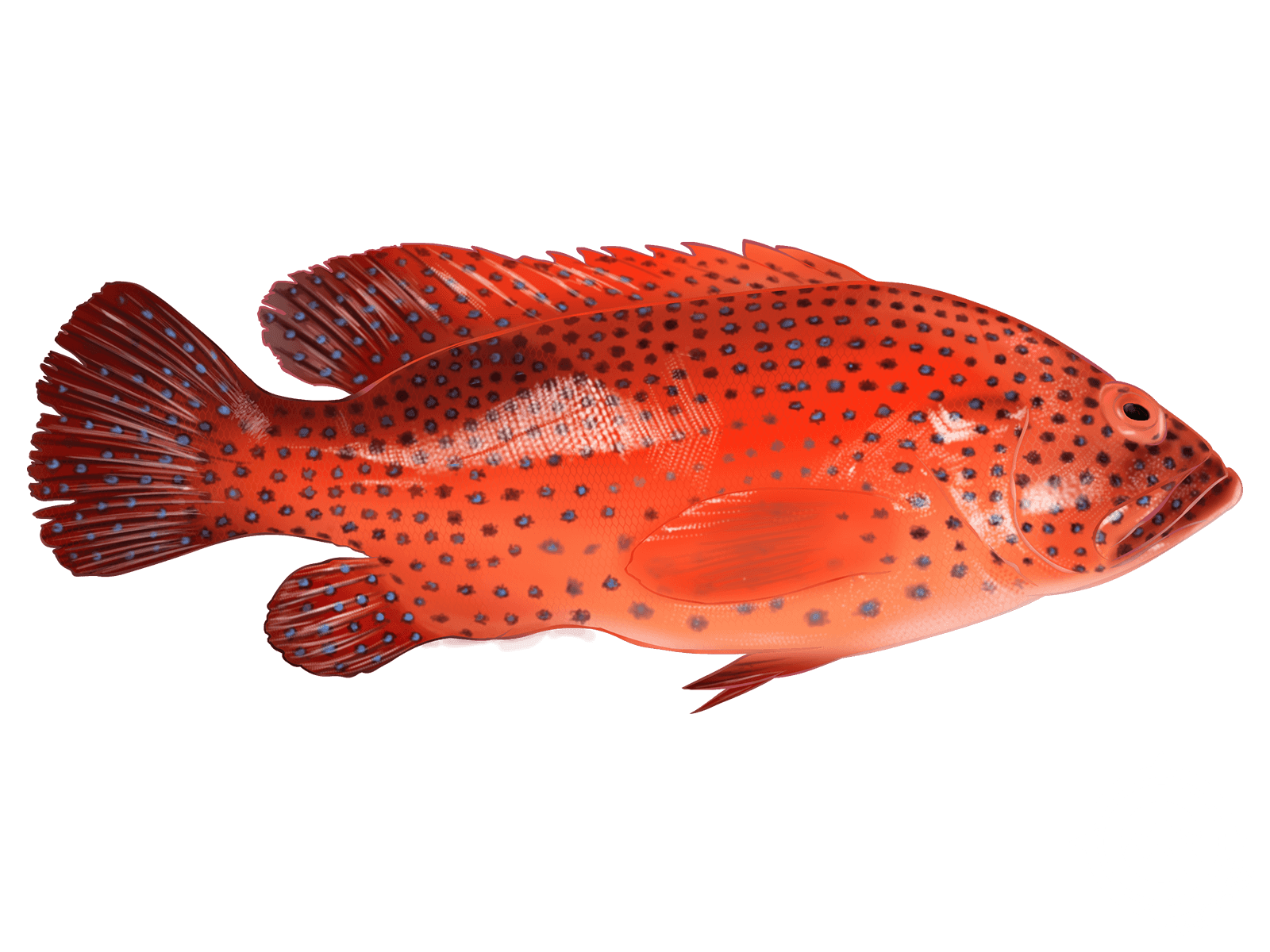
 Red Grouper
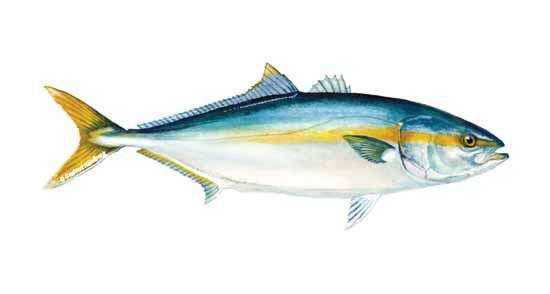
 Yellowtail Amberjack
- Shared inshore fishing charters with experienced Captain Barry and crew
- Multiple trip options including 4-hour and 3-hour scheduled departures
- All equipment, bait, licenses, and expert guidance included in package
Trip Pricing and Availabilities:
Shared Key West Inshore Fishing Charter
Captain Barry knows these shallow waters around Key West better than anyone, and he's ready to put you on some serious fish. This shared inshore charter gives you a real taste of what makes the flats and nearshore waters here so special. Whether you're picking up a rod for the first time or you've been fishing for years, you'll find yourself in the right hands with Barry and his experienced first mate guiding every cast and helping you land whatever's biting.
What to Expect on the Water
You've got options here - grab a 4-hour morning or afternoon slot, or if it's Tuesday or Thursday, there's a solid 3-hour afternoon trip that hits all the productive spots. The boat's set up perfectly for inshore work, and you'll be sharing the experience with other anglers who are just as excited to get their lines wet. Captain Barry's first mate stays busy keeping everyone's gear ready and helping land fish when things get hectic. The whole setup is designed to keep you comfortable and focused on fishing, not fumbling around with unfamiliar tackle. Your fishing license, rods, reels, and all the bait you need are covered - just bring your sunglasses, some reef-safe sunblock, water, and snacks. The crew's got drinks available too, and they're cool with you bringing a few beers if that's your style.
Techniques and Tackle
Inshore fishing around Key West is all about reading the water and knowing where to look. Captain Barry works the grass flats, channel edges, and structure where these fish like to hang out. The tackle stays light to medium - perfect for the species you'll encounter without being overkill. You'll be using everything from live bait to artificials, depending on what's working that day. The first mate keeps everyone's lines untangled and helps with the finer points of presentation. When you hook up, they're right there to coach you through the fight and make sure you don't lose that fish at the boat. The shallow water means you can actually see some of these fish before you hook them, which adds a whole different element to the experience. Structure fishing near wrecks and ledges produces different species than working the flats, so you'll likely hit several different types of water during your trip.
Species You'll Want to Hook
Red Grouper are the bread and butter of this fishery, and they fight way harder than their size suggests. These guys hang around structure and ledges in 30 to 100 feet of water, and they're notorious for trying to cut your line on the bottom the second you hook them. Spring through fall is prime time, but you can find them year-round. What makes them special is that solid thump when they hit and the way they test your drag on the way up. Plus, they're fantastic on the dinner table.
Cero Mackerel are speed demons that'll wake you up fast when they hit your bait. These sleek predators cruise the flats and nearshore waters, especially during the cooler months from fall through spring. They're built for speed with razor-sharp teeth, so the first mate will have wire leaders ready. When a school moves through, you might catch three or four in quick succession. They're a blast on light tackle and make excellent bait for bigger fish if you're looking to step up your game.
Great Barracuda are the apex predators of the flats, and hooking into a big one is something you won't forget. These toothy missiles can stretch over four feet and they're ambush hunters that explode on topwater baits and shiny lures. They're around year-round but seem most aggressive during the warmer months. The initial run when you hook a big cuda is pure adrenaline - they'll jump, run, and generally raise hell until you get them to the boat. Handle with respect because those teeth are no joke.
Yellowtail Amberjack are the bruisers of the bunch, and when you hook into a good one over a wreck or reef, you'll know immediately you're connected to something serious. These fish are pure muscle and endurance, preferring deeper structure but sometimes coming shallow to feed. Summer months tend to be best, and they'll test your tackle and your arms. They're notorious for long, powerful runs and they don't give up easy. A 20-pound yellowtail will fight like a fish twice its size.
Lemon Shark encounters add an element of excitement that keeps everyone alert. These coastal sharks patrol the flats and are more common than most people realize. They're typically docile but incredibly powerful, and they put up a memorable fight on fishing tackle. Most of what you'll encounter are smaller juveniles in the 3 to 5 foot range, though bigger ones cruise through occasionally. They're catch and release only, but getting a good shark photo is always a trip highlight. Best action tends to be during warmer months when they're most active in shallow water.
Time to Book Your Spot
Captain Barry's shared charters fill up because they deliver exactly what they promise - quality inshore fishing with professional guidance at a price that makes sense. The flexibility of different trip lengths means you can fit this into whatever schedule you're working with during your Key West visit. Remember to ask about any special regulations if you're planning to keep fish - some species have size and bag limits that change seasonally. This is your chance to fish with someone who knows these waters inside and out while sharing the costs with other anglers. Book your spot and get ready to see why Key West's inshore fishing keeps people coming back year after year.
Learn more about the animals
Cero Mackerel
Cero mackerel are fast, aggressive fish that cruise the patch reefs and clear water around Key West. They typically run 5-10 pounds with distinctive yellow-orange spots and a bronze streak down their sides. You'll find them near the surface over coral reefs and wrecks, usually traveling alone or in small groups. They're available year-round but fishing's best during warmer months when baitfish are thick. Guests love them because they hit topwater lures hard and make good runs, plus they're sushi-grade fish that taste great. They've got razor-sharp teeth, so use a wire leader or they'll cut you off. My tip: chum with pilchards over the reefs to get them fired up, then they'll hit almost anything you throw at them.
Great Barracuda
Great barracuda are apex predators that patrol our shallow reefs and grass flats. They average 2-4 feet but can hit 6 feet and over 100 pounds. These silver torpedoes swim near the surface, often alone except during spring spawning. They're curious fish that hunt by sight, so they'll check out anything shiny or moving erratically. The fight is intense but short - they've got speed but not much stamina. Guests love the aggressive strikes and acrobatic jumps when hooked. They're available year-round in our warm waters around mangroves, reefs, and grass beds. Fair warning: we usually release them since the meat can cause ciguatera poisoning. My advice: use a landing net and gloves - those teeth are no joke when they're thrashing at the boat.
Lemon Shark
Lemon sharks are one of our most common inshore sharks, easily recognized by their yellowish-brown color. They typically run 4-8 feet around Key West and love shallow flats, mangroves, and sandy areas in 5-15 feet of water. These sharks are available year-round but are most active during warmer months when they cruise the shallows hunting for fish, crabs, and rays. Guests get a thrill from the powerful runs and head shakes - they're strong fighters that don't quit. We practice catch and release with all our sharks. They're not spooky like some species and will take cut bait, especially bonito or mackerel. My tip: use circle hooks and heavy leader - they've got sandpaper skin that'll wear through lighter tackle, and be ready for a long fight in shallow water.
Red Grouper
Red grouper are solid fighters that hang around rocky bottom and ledges in 10-100 feet of water. Most weigh 5-10 pounds, though bigger ones push 50+ pounds. They're aggressive eaters with big mouths, so they'll hit shrimp, crab, or cut bait pretty hard. The rusty red color with white spots makes them easy to identify. What guests love most is the combination of good action and great eating - their firm, flaky meat tastes like shellfish because of their diet. Spawning season runs January through April when fishing's closed, but the rest of the year they're fair game. Pro tip: once you hook one, keep steady pressure and don't let them get back to the rocks where they'll break you off every time.
Yellowtail Amberjack
Yellowtail amberjacks are strong, fast fish that love structure like reefs and wrecks. Around here, most run 15-25 pounds, but 40-pounders show up regularly. You can spot them by those bright yellow fins and streamlined bodies. They're bottom dwellers that come up to feed, especially when we chum the water. These fish will test your tackle and your arms - they make long, powerful runs and don't give up easy. Guests enjoy the challenge since they hit hard and fight harder. They're great eating too, prized for sushi in Japan. Best fishing is when the water's warm and baitfish are around. My tip: use live bait when possible and don't horse them - steady pressure works better than trying to muscle them up from the deep.
About the Rampage Magic
%2F%2Fusers%2F19335567-ae47-4441-ba5b-aff9c8562b6c%2Fvehicle_picture%2Fmagicfishing38kjkvfd5-mkkisb9z.jpg&w=1920&q=75)
Vehicle Guest Capacity: 6
Manufacturer Name: Detroit Diesel
Maximum Cruising Speed: 18
Number of Engines: 2
Horsepower per Engine: 249
Join Captain Barry and his first mate for a relaxed inshore fishing adventure in the beautiful waters around Key West. This shared charter offers flexible options with 4-hour morning or afternoon trips, plus shorter 3-hour afternoon outings on Tuesdays and Thursdays. Whether you're a seasoned angler or picking up a rod for the first time, you'll get personalized guidance and hands-on assistance targeting the area's fantastic local fish species. Everything you need is included - fishing license, quality rods and reels, plus all the bait. Just bring your sunglasses, reef-safe sunblock, water, and snacks for the day. Life vests for kids are welcome if needed, and moderate drinking is perfectly fine. The crew knows all the local fishing regulations inside and out, so don't hesitate to ask questions about any catches. With only one guest spot available, you'll enjoy plenty of individual attention while exploring Key West's productive inshore fishing grounds.